AI is accelerating everything, but the biggest cultural shift is the renewed value we place on what feels real. Here are the four trends reshaping how brands will show up
in 2026:
1. The Rise of Real: Authenticity Becomes the New Premium
As AI content floods every platform, audiences are flocking toward what feels unmistakably human; real faces, lived experiences, honest emotion.
Brands win when they lead with purpose and tell stories with empathy instead of polish. Authenticity isn’t an aesthetic anymore; it’s an expectation. People respond most to content that reflects everyday moments—the “that’s so me” or “same!” moments—that build instant connection and belonging.
This trend levels the playing field: you don’t need a huge budget, you need authenticity, relatability, and a clear point of view.
This spot works because it tells a human, emotional story that feels real and relatable. It shows empathy and will elicit a connection with the many audience members who will be able to relate.
Created by the talented folks at Tombras, this spot is filled with charm, fun and the chaos of having a pet. It feels authentic, relatable and real.
2. Community-Centered Creativity
In the face of screen fatigue and our emotional struggle with technology and constant connectivity, people are retreating into smaller digital spaces — Discords, group chats, subreddits — where trust actually exists. To keep up, brands are shifting from “broadcasting” to facilitating community. This trend invites participation, membership or co-creation in these smaller trusted spaces.These community-centric platforms, along with interactive and immersive experiences such as live events that foster in-person engagement, will rise in popularity.
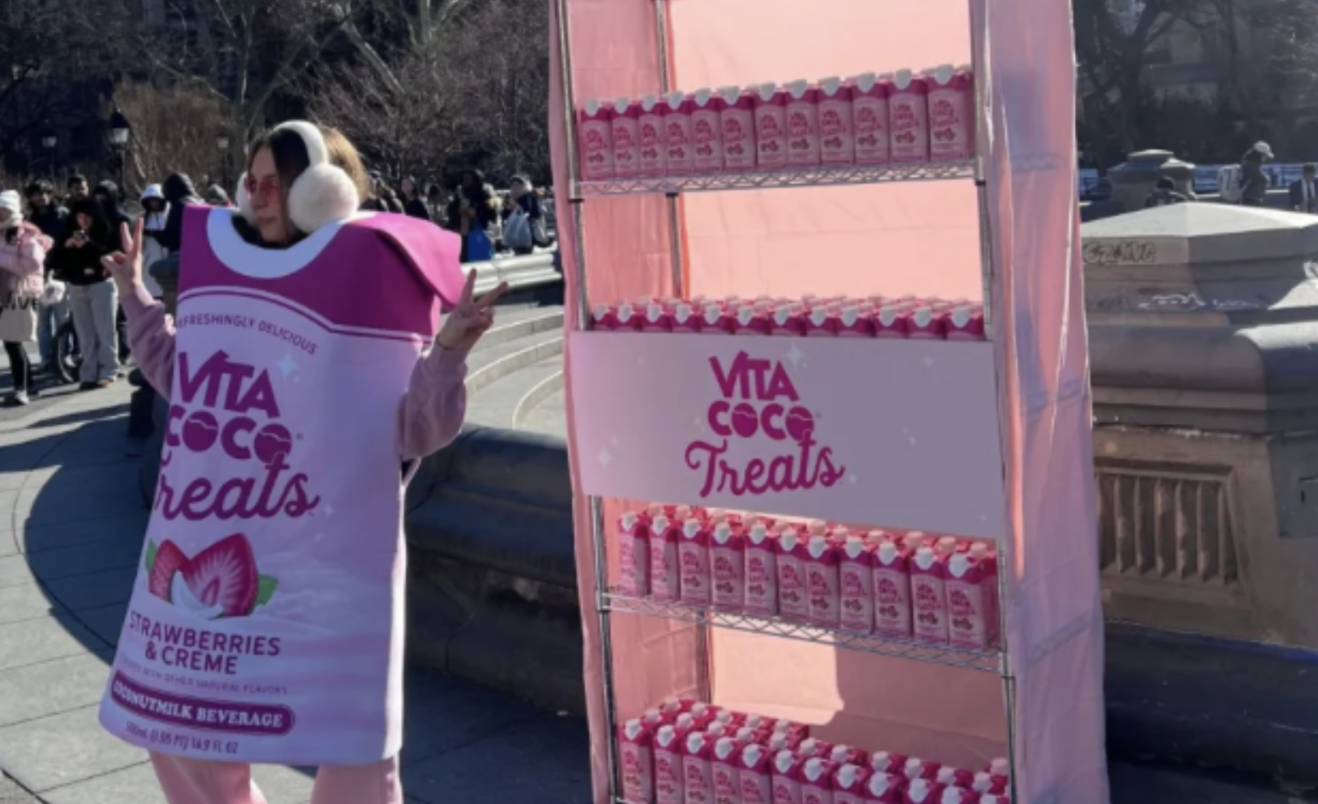
Vita Coco: Community-Centered pop-up
Rather than follow the traditional over-the-top influencer gifting campaign, Vita Coco shifted its marketing efforts directly to consumers. Rather than sending elaborate PR packages to influencers, they set up a DIY vending machine in Washington Square Park, New York, which allowed everyday people to enjoy free Strawberries & Creme Treats, their signature coconut water. The vending machine was an immediate success with lines of people interested in participating in this real-world connection.
3. Dynamic Creative Built for Real-Time Optimization
Creative can’t be static anymore — it has to move at the speed of media.
In 2026, the most effective work will come from tight collaboration between creative and media teams, building asset systems that can flex, and update in real time.
Successful campaigns will adapt to weather, local events, performance data or audience insights.
Think digital OOH that shifts based on the local temperature, or display banners that speak directly to someone in their neighborhood. As media teams surface performance insights, creative must evolve right alongside them — refreshing messages, swapping visuals, and optimizing concepts continuously.
This level of personalization (including local nuance) isn’t a nice-to-have; it’s a new baseline. And it will reshape timelines, production budgets, and how teams collaborate.
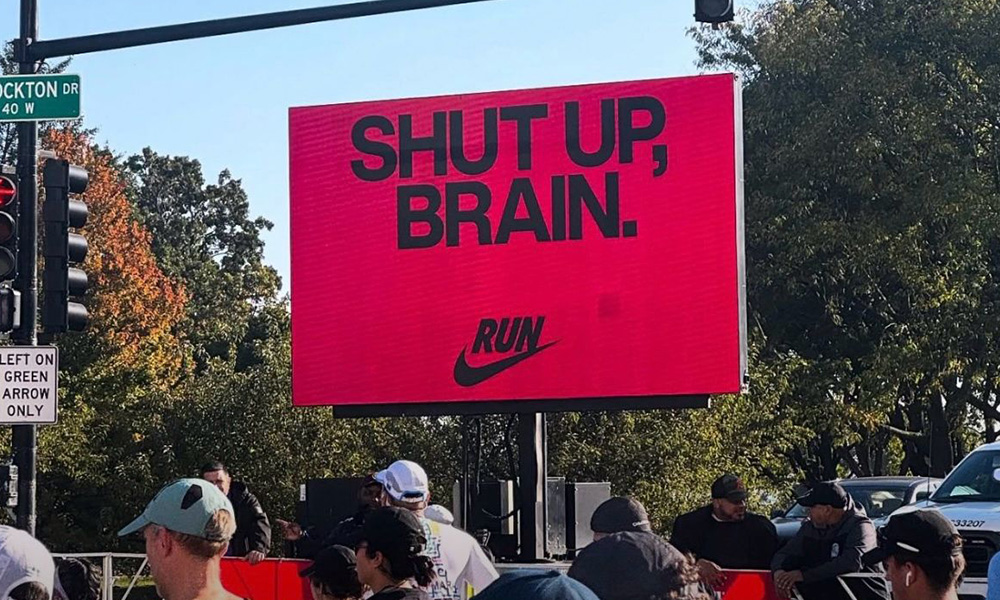
Nike used large-format OOH with timely, contextually relevant messaging during the Chicago marathon. This is a great example of a brand using audience signals in real time to speak to them directly. The bold, simple boards motivated thousands of participants in real-time with messaging that acknowledged the tremendous mental and physical demands they were experiencing. Motivating runners was a wonderful way to put a smile on their faces and create a connection, no matter what brand of shoes they were wearing.
4. AI as a Creative Tool
AI is now a core part of the creative process — not to replace human thinking, but to amplify it. Its real power lies in pairing machine speed with human intuition: rapid prototyping, smarter insights, faster iteration, and modular systems that evolve with performance data. But AI without storytelling becomes “AI slop.” In 2026, the most effective campaigns will come from teams who blend AI efficiency with human creativity and emotional intelligence.
This example of what not to do probably needs no introduction. The creepy, soulless holiday spot “created” by an AI studio received such immediate backlash that it was pulled from airing. This is yet another example of AI advertising (I’m looking at you, Coke and Sketchers) that audiences are passionately rejecting. I’m sure the people who made this worked as hard as they’ve said, but no matter how many hours you work to write prompts, it will still lack the humanity, emotion and craft that audiences crave.
Their blend of human creativity and AI efficiency was way off.
Bottom line:
The brands that will break through in 2026 are the ones that feel real, build community, design for individuals, and treat AI as a collaborator — not the creator.
If you want help navigating these shifts, let’s talk.