Heading into 2026, brand trust is more scarce than ever. Digital fatigue, discerning what’s real vs. AI, misinformation, and rising costs are just a few of the things powering consumer wariness. The answer to addressing the trust gap isn’t more marketing; it’s radical transparency and authenticity, where brands prioritize honesty, go the extra mile to make customers feel valued, prioritize equity and inclusion, and resist the urge to jump on every trend just to earn views. 2026’s most successful brands won’t be dominating conversations; they’ll be adding genuine value to them.
Against this backdrop, here are the five major 2026 marketing trends reshaping how brands will connect with their audiences in the next year:
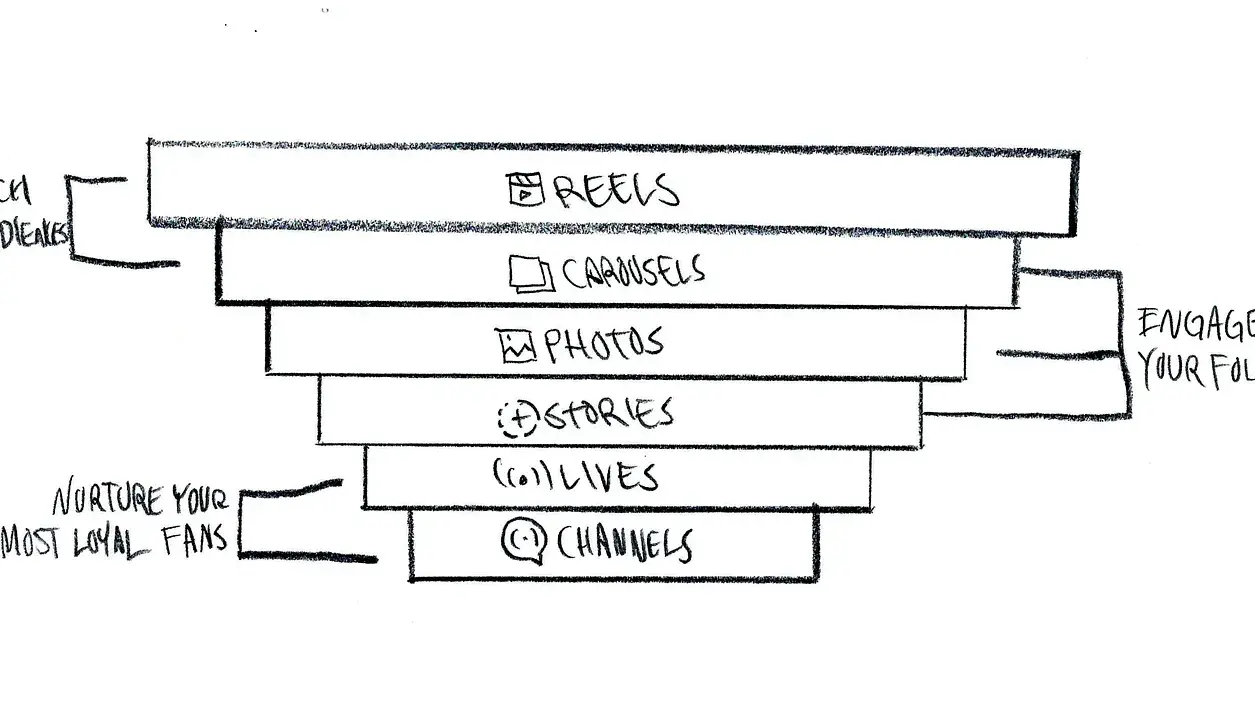
Connection Creation > Content Creation
The “digital detox” began as one of our trend predictions in 2025 and is only growing in 2026. Why it matters: Audiences are more digitally fatigued than ever, evidenced in declining brand follower counts, increased popularity of dumb phones and ad/app-blocking tools, and a wave of monthly app deletions. In 2026, brands will either add to the digital overload by posting too much content or relieve audience fatigue through genuine connection. Your opportunity lies in earning and cultivating meaningful social interactions instead of churning out content to gain attention.
How to market during a digital detox:
- Prioritize depth over breadth, whether posting or hosting: Post less on your social accounts, but make every post or comment count. Experiment with long-form content, and create offline spaces for hosting events to spark genuine connections.
- Explore new horizons: Expand beyond your usual posting channels. Engage niche communities on platforms like Substack, Reddit, Discord, and WhatsApp to create ongoing customer feedback loops, find IRL brand opportunities, and deepen consumer connections.
Unexpected Out-of-Home
As people seek relief from digital overload, out-of-home (OOH) experiences are becoming necessary attention engines for marketers. Why it matters: As noted in trend one, real-world experiences create stronger emotional memories and brand associations. With a rise in Gen Z’s merch fandom and with major events like the 2026 FIFA World Cup upcoming, brands have a big opportunity to make a splash through unexpected mediums in 2026.
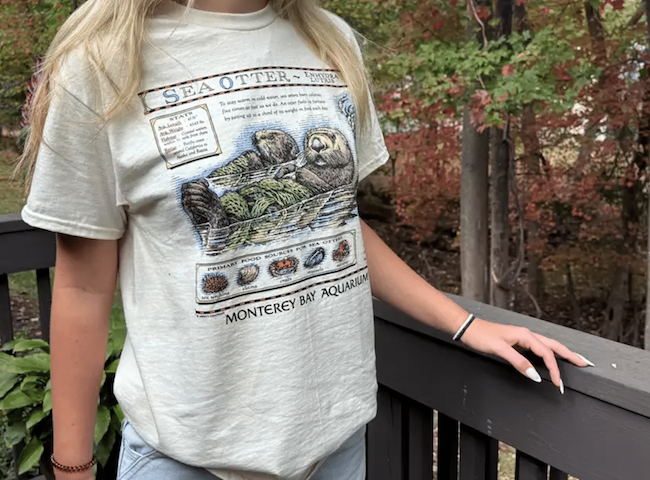
When Taylor Swift wore a vintage ‘90s Monterey Bay Aquarium T-shirt this fall, the world didn’t just notice. It clicked "buy." Swift’s influence created the spark, but the tinder was a timeless, well-designed piece of merchandise that resonated enough for the world’s biggest pop star to wear it.
How to find unexpected out-of-home opportunities in 2026:
- Budget for a mix of digital and traditional channels: Discover where your audience is (both on and offline) and make room in the budget to meet them where they are.
- Lean into surprise and delight: What’s an experience or material that’s going to stop your audience in their tracks? Let your imagination run wild; any surface can be an OOH canvas in 2026. Campaign inspiration: A24’s engagement ad for Zendaya and Robert Pattinson in The Boston Globe, Abbot Elementary’s grocery store apple stickers, Starbucks’ viral “bearista” cups, and Ramp’s “CFO First Day” stunt
Creators Boost Brand Credibility
We’ve forecasted growth in creator marketing for the past two years, and in 2026, creators are projected to overtake traditional media in ad revenue. Why it matters: Audiences trust creators (74% of consumers claim to purchase based on influencer recommendations), and brands can tap into that trust through authentic partnerships.
How to approach creator marketing in 2026:
- Trust creators to produce resonant content: Creators know their audiences best and receive first-hand feedback from them. Audiences prefer personal storytelling, transparency, and proper disclosure over shock value.
- Integrate creators into campaigns: Don’t stop with partnership. Tap into their expertise, trusting them to add to your brief instead of forcing them to follow yours and contribute to your campaign in a fresh way.
Social is either TV or BTS
Most social algorithms now show content based on user interests instead of followers. In response to this shift, feeds are beginning to split into two distinct formats. Brands winning on social in 2026 will be developing either scripted, TV-style productions or raw, behind-the-scenes (BTS) glimpses that reveal the humans behind brands. Why it matters: The rise of “social as TV” with episodic content is being driven by the dominance of social video, and platforms like YouTube are becoming the most important streaming platform for consumers under 30, with new ad tools making creators look more like TV networks.
How brands can pick their social video path in 2026:
- (BTS) Develop true-to-form content: if you don’t have the budget for big production, adopt a social video formula that combines/highlights your brand’s everyday, including relatable moments, values in action, and employee-generated content. Brands showing “day in the life” content, especially their employees, are seeing higher social engagement.
- (TV) Create episodic videos: Social teams are beginning to adopt the “writers’ room” approach, scripting videos in episodes to keep audiences coming back for more; though a user might not follow you, they’ll likely come back to your feed or get served episode two if they’ve engaged with episode one of a series. Give your social team creative freedom to think out of the box with serialized content.
Brands Accept AI Discovery
Though audiences continue to demand authenticity in the era of AI, brands must find strategic ways to embrace and use AI consciously. Nearly 50% of US adults are using AI search to discover brands, which is the biggest shift in search behavior we’ve seen since Google first emerged. Why it matters: SEO is no longer the biggest discovery lever. Brands now have to optimize for generative engine optimization (GEO).
How your brand can adopt GEO in 2026:
- Keep community at the center of your strategy: AI engines rely more on community conversation than brand-owned pages to award authority in AI searches. Leverage community-driven platforms like Reddit (which appears in 40% of AI citations), Substack, and YouTube, showing up in organic conversations for brand discovery. Answer frequently asked questions on both social media and a scannable FAQ page on your website.
- Think of social as search: Social platforms have become discovery engines, with Google now indexing public social posts on platforms like Substack and Meta. Along with the video tactics mentioned in trend 4, your organic social content should answer customer questions, have a clear purpose, leverage alt text for images, and establish your brand’s authority on industry topics.
From the rise of digital detox culture to the dominance of AI-powered search and the continued reign of creator-led content, these trends share a common thread of consumers rewarding brands that deliver substance over stimulation, humanity over hype, and meaningful experiences over empty engagement. The brands that win in 2026 will be those willing to ignore the playbook their competitors follow–leaning into bold marketing, self-aware authenticity, and genuine connection instead of corporate polish.
Which trend do you think we’ll see the most of in 2026?