
Earlier this year, our Marketing & Creative 2025 Trends e-book outlined where we thought the year was headed. Six months into 2025, the marketing landscape is delivering both confirmation of our predictions and a few surprises. Digital fatigue is real, creators are more influential than ever, and brands are responding with nostalgia, analog experiences, and sharper storytelling. Here’s how the trends we identified at the start of the year are shaping up, and what’s next.
Abnormal Social Norms
Social platforms continue to shift rapidly, not just in features, but in how they’re defining credibility, content distribution, and community building.
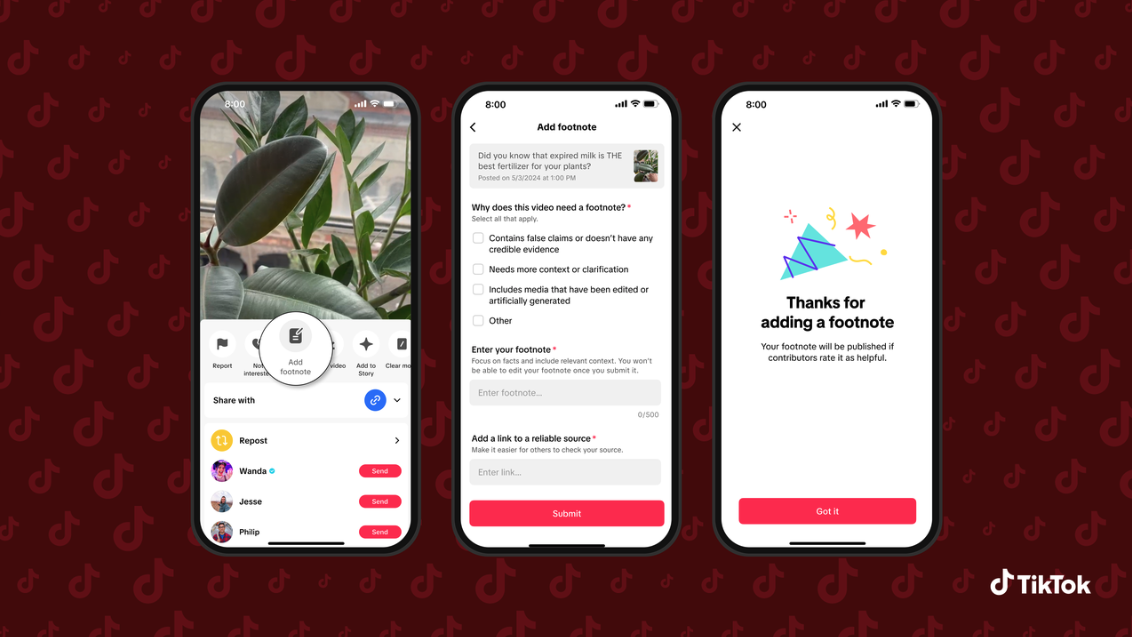
• TikTok‘s Footnotes joins Meta’s fact-checking features, but it comes at a time when many platforms are rethinking or even rolling back their approaches to content moderation. It’s part of a larger tension between user trust, engagement, and platform growth, where “trust” features are becoming both a competitive tool and a political flashpoint.
• Substack is evolving from a creator hub into a brand storytelling channel and gaining traction with brands. Hinge launched a Romance Anthology, and Rare Beauty built a social strategy there.
• Threads hit 115M daily mobile users in June (+128% YoY) while X slipped to 132M.
Big brands are betting on print again, from Microsoft to Costco, creating custom magazines to tell corporate stories and connect with hard-to-reach audiences.
Analog Meets Digital (URL → IRL)
This trend is everywhere in 2025, driven by three cultural shifts:
• A craving for experiences. People think in moments, not channels. Integrated, personal, and intuitive brand experiences are winning.
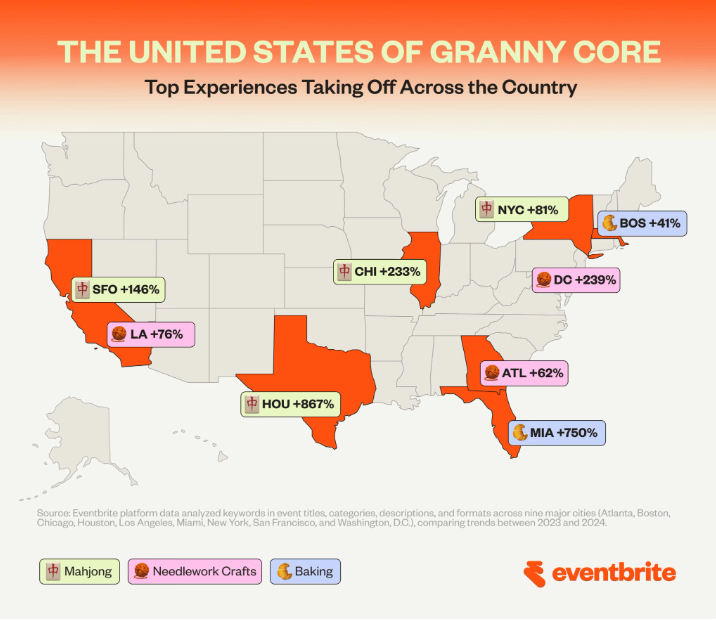
• Digital exhaustion. 73% of Gen Z report feeling it. Slow, tactile hobbies like knitting and baking are part of the self-care wave, while many are consciously logging off.
• Hands-on marketing. 80% of Gen Z want to unplug, sparking a resurgence of tactile marketing: print catalogs, unboxing rituals, and immersive pop-ups layered with digital convenience.
Examples in action: Mattel’s Barbie Dream Fest, Polaroid’s OOH celebrating real life, Rare Beauty’s scented billboards, and Urban Outfitters’ Gen Z-themed dorm pop-up and scavenger hunt.
Takeaway: Set realistic digital expectations. Focus on creators, in-person experiences, and high-quality content that drives lasting impact.
Serious Fun
We predicted 2025 would balance a serious world with audiences’ appetite for joy. So far, “serious” is leading, but playful campaigns still stand out.
• e.l.f. Beauty sent a PR package to the middle of the ocean.
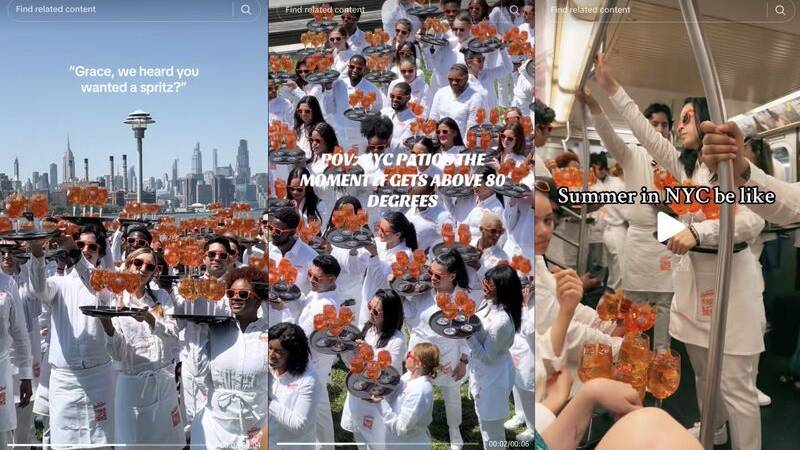
• Aperol Spritz staged a NYC flash mob-style stunt.
• McDonald’s announced the Snack Wrap’s return with a cheeky social memo.
Commerce Media Takes Flight
With third-party data fading, commerce media is a fast-growing channel. Brands are leveraging their own customer data to create ad networks and strike new partnerships, even without massive platforms.
At Cannes Lions in June, retail media took center stage, moving beyond ecommerce sites to blend retail and social. The opportunity is growing for brands of all sizes.
More with Less
Economic pressure is driving a focus on efficiency and impact.
• Micro-creators & niche communities. Smaller, high-engagement partnerships are replacing broad influencer blasts, with more brands leaning into DMs and private channels.
• Retention first. Acquisition costs are rising, making customer experience a profit strategy.
• Fewer, better posts. The “more is more” mindset is out; 64% of marketers no longer post daily.
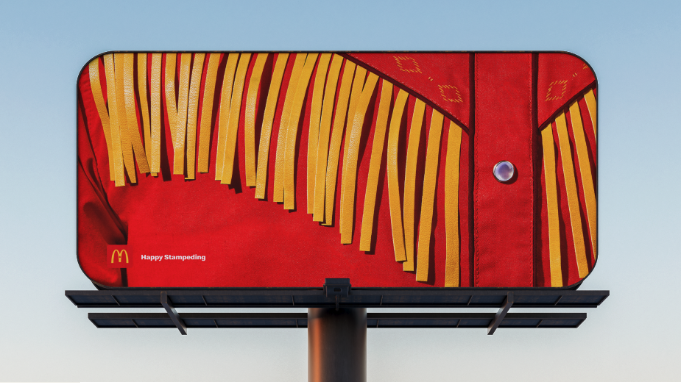
• Visual-first creative. From Spotify’s cinematic audiobook ads to McDonald’s bold OOH, strong visuals are dominating.
Full-Funnel Creators
The creator economy is thriving — U.S. brands are on track to spend $13.7B by 2027. Creators now influence every stage of the funnel, from awareness to conversion.
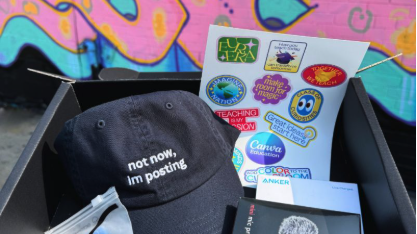
Brands are working with “comfort creators” who offer safe, relaxing corners of the internet to counter scroll fatigue. Examples include Taco Bell commissioning a creator-led commercial and Canva sending PR boxes to marketing pros as a B2B influencer play.
Representation Reimagined
Representation remains a loyalty driver. Companies maintaining DEI commitments are seeing positive sentiment rise (+4.4% on average), while those rolling back commitments see it drop (-11%).
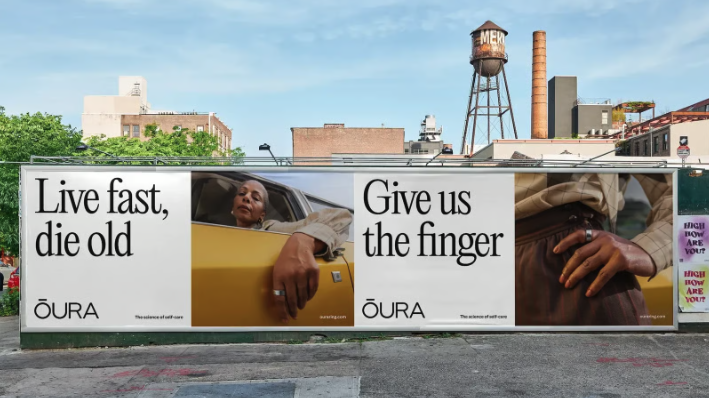
64% of U.S. consumers — and 79% of Gen Z — say they’ll pay more for brands that reflect their values. Campaigns like Maybelline’s largest AAPI initiative and Oura’s joyful take on aging show that inclusion still resonates.
Over to you:
How do these midyear shifts align with your own marketing plans? If you missed our original 2025 Marketing & Creative Trends e-book, you can download it here for the full predictions.